Trending...
- Eddy Corp and SMAART POWER LLC Announce Strategic Teaming Agreement to Accelerate Microgrid and Distributed Energy Deployments - 188
- California: Governor Newsom expands film and TV tax credits with new legislation, creates tax credit to support post-production jobs - 158
- California: Governor Newsom issues legislative update 9.18.26 - 139
MUNICH - Californer -- OncoBeta® GmbH, a global medical device company specialising in innovative therapies for non-melanoma skin cancers (NMSCs), is supporting World Skin Cancer Awareness Month (May 2024) by focusing on educating patients suffering with NMSCs about the various treatment options currently available.
Global incidence continues to rise, with over 7.7 million cases of NMSC recorded annually.1 In response, the medical community is striving to enhance standard treatments and embrace new alternative approaches, enabling patients to personalise their care based on factors such as lesion localization, size, single or multiple lesions, age, other health conditions, and patient preference – all of which influence treatment selection. The overarching goal is to provide the optimal medical solution, achieve aesthetic outcomes, and prioritise a patient's quality of life.
Gerhard Dahlhoff, OncoBeta Medical Director, says, "Education is critical for addressing the rising rates of NMSCs globally, and knowing different treatment options available will hopefully alleviate the stress and anxiety surrounding a diagnosis. Treatments can impact your work life, home life or even retirement life but thanks to innovative treatment alternatives, you can now find the one that is effective and minimises the impact on your mental and physical wellbeing."
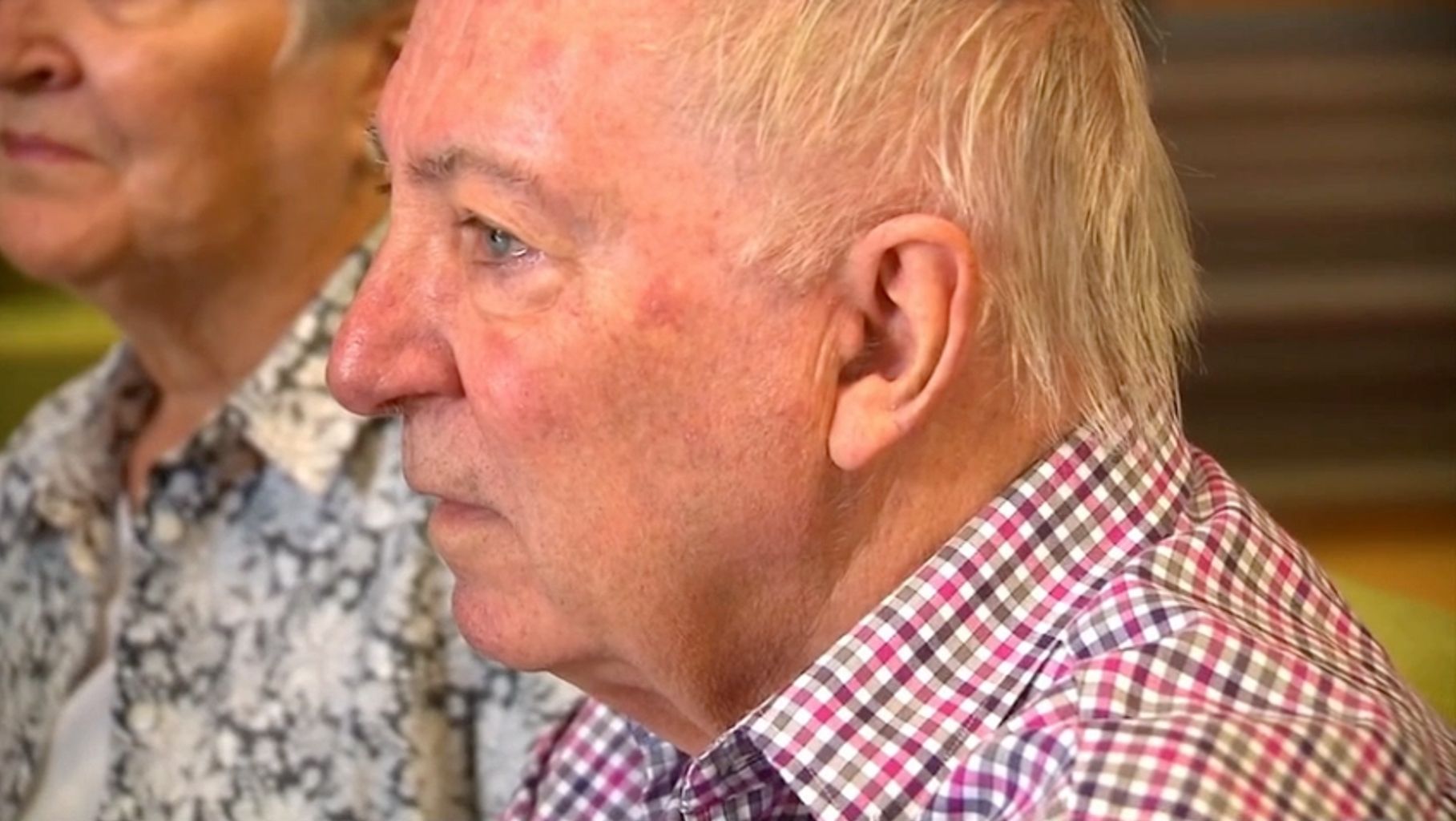
Laurie Leppard, residing in the Gold Coast, Australia, recently underwent treatment for a squamous cell carcinoma (SCC) situated on his left ear. Initial treatment options included surgery, risking disfigurement due to necessary cartilage removal, or radiation that would exacerbate his claustrophobia.
"Traditional radiation would've required me to wear a mask over my face during sessions, which was considerably daunting given my claustrophobia – especially as I would've needed more than 20 daily treatment visits," explains Laurie. "I really wasn't keen for surgery, and worries about more complications, so I made it my mission to research alternatives. When I discovered the newer rhenium-188 treatment – a mask-free, single-session, painless alternative without scarring – I jumped at it. Given that each clinic visit entails a 100km round trip, the single-session rhenium-188 treatment saved me considerable time, energy, discomfort, and disruption to my life."
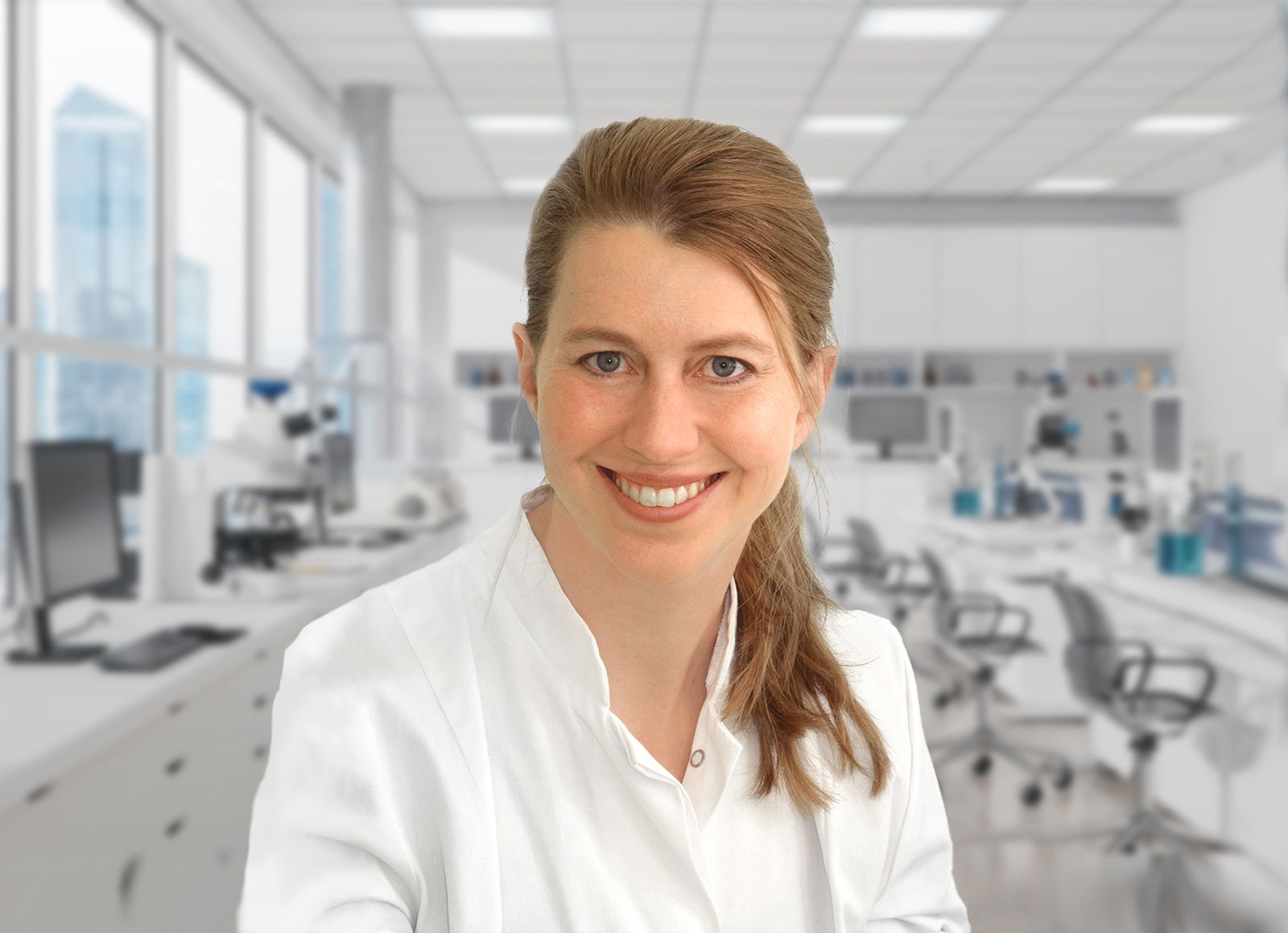
Professor Julia Tietze, Dermatologist at Rostock University Hospital and author of recent study published in Clinical Nuclear Medicine, says, "I am able to discuss different treatment options with patients based on the size and depth of the lesion, also the location of the lesion, the medical history of the patient, the wishes of each individual considering their pain tolerance or ability to travel, and personal preference considering aesthetic outcomes or other factors."
In 2022, OncoBeta conducted research in Australia with over 1,200 people, to better understand attitudes towards skin health and treatment considerations. Australia has the highest incidence of recorded NMSCs, so this research provides valuable insights. The research asked patients diagnosed with NMSCs what factors they ranked highest: 97% said 'successful removal of the lesion' was extremely or very important. This was followed by 'fast recovery' (90%) then 'quick and easy procedure' (88%). More than three quarters of NMSC patients said a 'painless' procedure was extremely or very important (77%), followed by 'good aesthetic results' (76%) and 'non-invasive' (73%).2 §
More on The Californer
"From my own experience treating patients with NMSCs, I can say that we of course want to remove the entire lesion in one session, but patients are increasingly more concerned about the cosmetic outcome and highlighting their personal situation – such as claustrophobia or anxiety about some treatments," says Prof. Tietze.
The same research found that 81% of patients were treated surgically or with a combination of surgery and non-surgical treatments, however most respondents stated that it was extremely or very important for their treatment to be painless, non-invasive and provide good aesthetic results.2
Mainstay treatments for NMSC include surgery, radiotherapy, cryotherapy and now epidermal radioisotope therapy, a procedure utilising the beta emitter radioisotope, rhenium-188:
"We do have patients who just do not want to have surgery – most of the time, again – because most of the time it's not their first lesion and they know exactly what to expect with surgery, and they just don't want to do that again," adds Prof. Tietze. "Especially the older patients, because as everyone knows the incidence of NMSC is increasing among the older population, but they're not always willing to do something painful… so it's really nice to have an option to treat those patients."
More on The Californer
Early detection is key for treating skin cancer. World Skin Cancer Awareness Month offers key education about NMSCs and is an important reminder for people to regularly get their skin checked by a health professional. Ignoring a change in the skin or avoiding having it checked and monitored by a health professional means it may grow and/or spread to other parts of the body, or in the worst case it may become life-threatening.
OncoBeta's Skin Cancer Treatment Awareness Month campaign is encouraging everyone to visit a GP, dermatologist, or other skin health specialist to inspect any changes to their skin, and if necessary to learn about ALL treatments that are available.
Find out more about treatment alternatives, visit: www.spotdetective.com
About OncoBeta®
OncoBeta®, with its headquarters located in Garching near Munich, Germany, is a privately held medical device company, specializing in the development and commercialization of state-of-the-art, innovative therapies. Since its foundation, OncoBeta has concentrated its efforts on the development, regulatory approval(s), and commercialization of the epidermal radioisotope therapy Rhenium-SCT® (Skin Cancer Therapy), targeting NMSCs. OncoBeta has perfected the customized application and device management system in conformity with all health, safety, and environmental protection regulatory standards.
Find out more about the Rhenium-SCT® at www.oncobeta.com
Follow us on social media:
LinkedIn: www.linkedin.com/company/oncobeta-gmbh/
Facebook: www.facebook.com/oncobeta/
Instagram: www.instagram.com/oncobeta_gmbh/
Forward-looking statements
This announcement includes forward-looking statements that involve risks, uncertainties, and other factors, many of which are outside of OncoBeta's control, and which could cause actual results to differ materially from the results discussed in the forward-looking statements. Forward-looking statements include statements concerning OncoBeta's plans, objectives, goals, future events, performance and/or other information that is not historical information. All such forward-looking statements are expressly qualified by these cautionary statements and any other cautionary statements which may accompany the forward-looking statements. OncoBeta® undertakes no obligation to publicly update or revise forward-looking statements to reflect subsequent events or circumstances after the date made, except as required by law.
*Complete tumour regression in 98.5% of lesions treated.
†No pain reported during procedure.
‡A procedure is considered non-invasive when no break or cut in the skin is created.8
§OncoBeta's research was conducted in November 2022 and surveyed a sample of 1,235 people aged 18 and above. OmniPoll post-weighted the results to the Australian Bureau of Statistics census data reflecting Australian's overall population and providing statistically reliable insights.
References:
Global incidence continues to rise, with over 7.7 million cases of NMSC recorded annually.1 In response, the medical community is striving to enhance standard treatments and embrace new alternative approaches, enabling patients to personalise their care based on factors such as lesion localization, size, single or multiple lesions, age, other health conditions, and patient preference – all of which influence treatment selection. The overarching goal is to provide the optimal medical solution, achieve aesthetic outcomes, and prioritise a patient's quality of life.
Gerhard Dahlhoff, OncoBeta Medical Director, says, "Education is critical for addressing the rising rates of NMSCs globally, and knowing different treatment options available will hopefully alleviate the stress and anxiety surrounding a diagnosis. Treatments can impact your work life, home life or even retirement life but thanks to innovative treatment alternatives, you can now find the one that is effective and minimises the impact on your mental and physical wellbeing."
Laurie Leppard, residing in the Gold Coast, Australia, recently underwent treatment for a squamous cell carcinoma (SCC) situated on his left ear. Initial treatment options included surgery, risking disfigurement due to necessary cartilage removal, or radiation that would exacerbate his claustrophobia.
"Traditional radiation would've required me to wear a mask over my face during sessions, which was considerably daunting given my claustrophobia – especially as I would've needed more than 20 daily treatment visits," explains Laurie. "I really wasn't keen for surgery, and worries about more complications, so I made it my mission to research alternatives. When I discovered the newer rhenium-188 treatment – a mask-free, single-session, painless alternative without scarring – I jumped at it. Given that each clinic visit entails a 100km round trip, the single-session rhenium-188 treatment saved me considerable time, energy, discomfort, and disruption to my life."
Professor Julia Tietze, Dermatologist at Rostock University Hospital and author of recent study published in Clinical Nuclear Medicine, says, "I am able to discuss different treatment options with patients based on the size and depth of the lesion, also the location of the lesion, the medical history of the patient, the wishes of each individual considering their pain tolerance or ability to travel, and personal preference considering aesthetic outcomes or other factors."
In 2022, OncoBeta conducted research in Australia with over 1,200 people, to better understand attitudes towards skin health and treatment considerations. Australia has the highest incidence of recorded NMSCs, so this research provides valuable insights. The research asked patients diagnosed with NMSCs what factors they ranked highest: 97% said 'successful removal of the lesion' was extremely or very important. This was followed by 'fast recovery' (90%) then 'quick and easy procedure' (88%). More than three quarters of NMSC patients said a 'painless' procedure was extremely or very important (77%), followed by 'good aesthetic results' (76%) and 'non-invasive' (73%).2 §
More on The Californer
- Pervaziv AI Adds Collections, Chat Forks and Governed Workflows, Advancing Cortex from Chat to Verified Work
- New Metallized PE Film from Pregis Brings Recyclability to High-Barrier Food Packaging at Pack Expo International in Chicago
- Sonoma County's Largest Pop-up Used Book Sale Benefits Five Sonoma County Libraries
- Transformational $104 Million Musculoskeletal Healthcare Opportunity as Expansion Strategy Accelerates for Cardiff Lexington Corp (Stock Symbol: CDIX)
- PropAccount.com Launches Marketing Hub Within PropGenie, Giving Prop Firm Operators an Automated Marketing Team
"From my own experience treating patients with NMSCs, I can say that we of course want to remove the entire lesion in one session, but patients are increasingly more concerned about the cosmetic outcome and highlighting their personal situation – such as claustrophobia or anxiety about some treatments," says Prof. Tietze.
The same research found that 81% of patients were treated surgically or with a combination of surgery and non-surgical treatments, however most respondents stated that it was extremely or very important for their treatment to be painless, non-invasive and provide good aesthetic results.2
Mainstay treatments for NMSC include surgery, radiotherapy, cryotherapy and now epidermal radioisotope therapy, a procedure utilising the beta emitter radioisotope, rhenium-188:
- Surgery is a common treatment option for non-melanoma skin cancer; in particular 'Mohs' surgery. This is an invasive procedure to remove the cancer in several steps. First, a thin layer of tissue is removed. Then, a second thin layer of tissue is removed and viewed under a microscope to check for cancer cells. Layers are removed one at a time until the tissue viewed under a microscope shows no remaining cancer.
- Electrodessication and curettage is an option for some non-melanoma skin cancers. The doctor scoops out the cancer with a small, spoon-shaped instrument, then seals the wound and destroys any remaining cancer cells using heat.
- External beam radiation is sometimes used instead of surgery, especially for large NMSCs or for people who are not well enough to have surgery.3,4 It uses electron or photon beams to kill the cancer cells.
- Light-based treatment may be recommended for early-stage NMSCs. For 2-3 weeks the skin is prepared by applying cream or ointment daily. Then the doctor places you under an LED phototherapy lamp. This provokes an immune reaction by your body which kills the skin cancer. The process may or may not be painful.
- Cryotherapy (freezing) can be used for small, shallow skin cancers. After applying an anaesthetic, the doctor uses liquid nitrogen to freeze the cancer and destroy the cells. A blister or sore may form which heals, revealing healthy skin. Reduced skin pigmentation may occur.
- Topical treatment, a chemotherapy cream can be applied to the skin for a period of time, for treatment of Bowen's disease – a mild, slow-growing type of skin cancer. Burning, redness and sores may occur.
- Rhenium-SCT is a localised radiation therapy that uses the rhenium-188 isotope which is applied as a paste directly to the lesion – it is a single session* lasting 45 to 180 minutes.5-7 It is painless6,7† and non-invasive6‡. A crust or scab forms that may become itchy. Rhenium-188 therapy leaves no scar but the skin may appear lighter.
"We do have patients who just do not want to have surgery – most of the time, again – because most of the time it's not their first lesion and they know exactly what to expect with surgery, and they just don't want to do that again," adds Prof. Tietze. "Especially the older patients, because as everyone knows the incidence of NMSC is increasing among the older population, but they're not always willing to do something painful… so it's really nice to have an option to treat those patients."
More on The Californer
- Save 15 Percent Off Florida Keys Accommodations with KeysCaribbean's Advance Purchase Rate Discount
- Woodside Rehab & Nursing Enters a New Era of Clinical Excellence and Growth
- Thar Process Partners with French Leader ExtrateX to Bring Prep to Process-Scale SFC to Europe
- Atticus Pharma Awarded $2 Million NIH Phase II SBIR Grant to Advance Cutaneous Lupus Drug Candidate
- Fall Jewellery Trends 2026: 3 Bracelets That Instantly Elevate Your Autumn Style
Early detection is key for treating skin cancer. World Skin Cancer Awareness Month offers key education about NMSCs and is an important reminder for people to regularly get their skin checked by a health professional. Ignoring a change in the skin or avoiding having it checked and monitored by a health professional means it may grow and/or spread to other parts of the body, or in the worst case it may become life-threatening.
OncoBeta's Skin Cancer Treatment Awareness Month campaign is encouraging everyone to visit a GP, dermatologist, or other skin health specialist to inspect any changes to their skin, and if necessary to learn about ALL treatments that are available.
Find out more about treatment alternatives, visit: www.spotdetective.com
About OncoBeta®
OncoBeta®, with its headquarters located in Garching near Munich, Germany, is a privately held medical device company, specializing in the development and commercialization of state-of-the-art, innovative therapies. Since its foundation, OncoBeta has concentrated its efforts on the development, regulatory approval(s), and commercialization of the epidermal radioisotope therapy Rhenium-SCT® (Skin Cancer Therapy), targeting NMSCs. OncoBeta has perfected the customized application and device management system in conformity with all health, safety, and environmental protection regulatory standards.
Find out more about the Rhenium-SCT® at www.oncobeta.com
Follow us on social media:
LinkedIn: www.linkedin.com/company/oncobeta-gmbh/
Facebook: www.facebook.com/oncobeta/
Instagram: www.instagram.com/oncobeta_gmbh/
Forward-looking statements
This announcement includes forward-looking statements that involve risks, uncertainties, and other factors, many of which are outside of OncoBeta's control, and which could cause actual results to differ materially from the results discussed in the forward-looking statements. Forward-looking statements include statements concerning OncoBeta's plans, objectives, goals, future events, performance and/or other information that is not historical information. All such forward-looking statements are expressly qualified by these cautionary statements and any other cautionary statements which may accompany the forward-looking statements. OncoBeta® undertakes no obligation to publicly update or revise forward-looking statements to reflect subsequent events or circumstances after the date made, except as required by law.
*Complete tumour regression in 98.5% of lesions treated.
†No pain reported during procedure.
‡A procedure is considered non-invasive when no break or cut in the skin is created.8
§OncoBeta's research was conducted in November 2022 and surveyed a sample of 1,235 people aged 18 and above. OmniPoll post-weighted the results to the Australian Bureau of Statistics census data reflecting Australian's overall population and providing statistically reliable insights.
References:
- Global Burden of Disease Cancer Collaboration, et al. JAMA Oncol. 2019;5(12):1749-1768.
- OmniPoll Survey November 2022.
- Radiation therapy for skin cancer. Available at: https://www.cancercouncil.com.au/skin-cancer/treatment/radiotherapy/ (Accessed March 2024).
- Radiation therapy for basal and squamous cell skin cancers. Available at https://www.cancer.org/cancer/basal-and-squamous-cell-skin-cancer/treating/radiation-therapy.html (Accessed March 2024].
- Castellucci P, et al. Eur J Nucl Med Mol Imaging. 2021;48(5):1511-1521.
- Cipriani C, et al. J Dermatol Treat. 2022;33(2):969–975. Epub 22 Jul 2020.
- Data on file. OncoBeta, Garching, Germany.
- Australian Therapeutic Goods Administration ARTG Public summary 400142.
Source: OncoBeta GmbH
0 Comments
Latest on The Californer
- JoCa's Echoes of Haworth Sells Out on Opening Night in Mexico City; Artist Heads to San Luis Potosí and Miami Art Week
- Home2 Suites by Hilton Lee's Summit, MO Opens to Guests
- Trick-or-Treat Along the El Dorado Nature Center Trails During Howl-o-ween Festival, Hosted by Long Beach Parks, Recreation and Marine
- Pervaziv AI Extends Cortex Cloud with Static and Runtime Security Across the Software Lifecycle
- Shanghai Chengwei Semiconductor Equipment Launches High Precision Laboratory Central Gas Supply System
- Auerbach International Surpasses 2 Billion Words Translated as It Marks 35 Years in Business
- Eddy Corp and SMAART POWER LLC Announce Strategic Teaming Agreement to Accelerate Microgrid and Distributed Energy Deployments
- California: Governor Newsom announces world-leading experts to deliver on his AI executive order, including advancing creation of a "kill switch"
- Your Local Pro Expands National Service Network to 273+ Locations Across Plumbing, Cleaning, Landscaping and Hydrovac
- Governor Newsom announces key step forward in California plan to link carbon markets with Washington State
- Wordly Turns Live Event Translation into Revenue Generator
- Acuvance Coker Study Finds Experience, Not Supply, Is the Biggest Advanced Practice Provider Workforce Challenge
- United Hotel Supply Expands Bulk FF&E Program as Hotel Owners Face Tightening PIP Deadlines
- eRacks Names Its Default Hypervisor: KVM on Ubuntu, Installed Since 2007, With eVirt Now Offered
- Omnigarde Climbs to #1 US Developer for Single Iris Accuracy in Global NIST IREX 10 Benchmark, Cutting Error Rates by Over 22%
- PQCrypto Appoints Manavendra Sial, Tenneco CFO, to Board of Directors
- Uk Financial Moonshot Token™ Robinhood-chain Goes Live On Tokpie Exchange Tomorrow, With Solana Side Of UKFLMS To Follow In Global Listing Expansion
- Long Beach City Council Approves Proclamation of Local Emergency to Prepare for Potential El Niño Impacts
- ClearanceIQ Launches AI-Powered CMMC Compliance Platform as Pentagon Suspends Phase 2
- City of Long Beach to Host Monster Mash Halloween Celebration at Lincoln Park