Trending...
- Why Buying a Home at Christmas will be Your Best Christmas Ever
- Play with Purpose: Meemzy Magic Sensory Kits Support Child Development in a Fun Format
- California: Governor Newsom announces top former CDC officials to lead public health innovation, collaboration
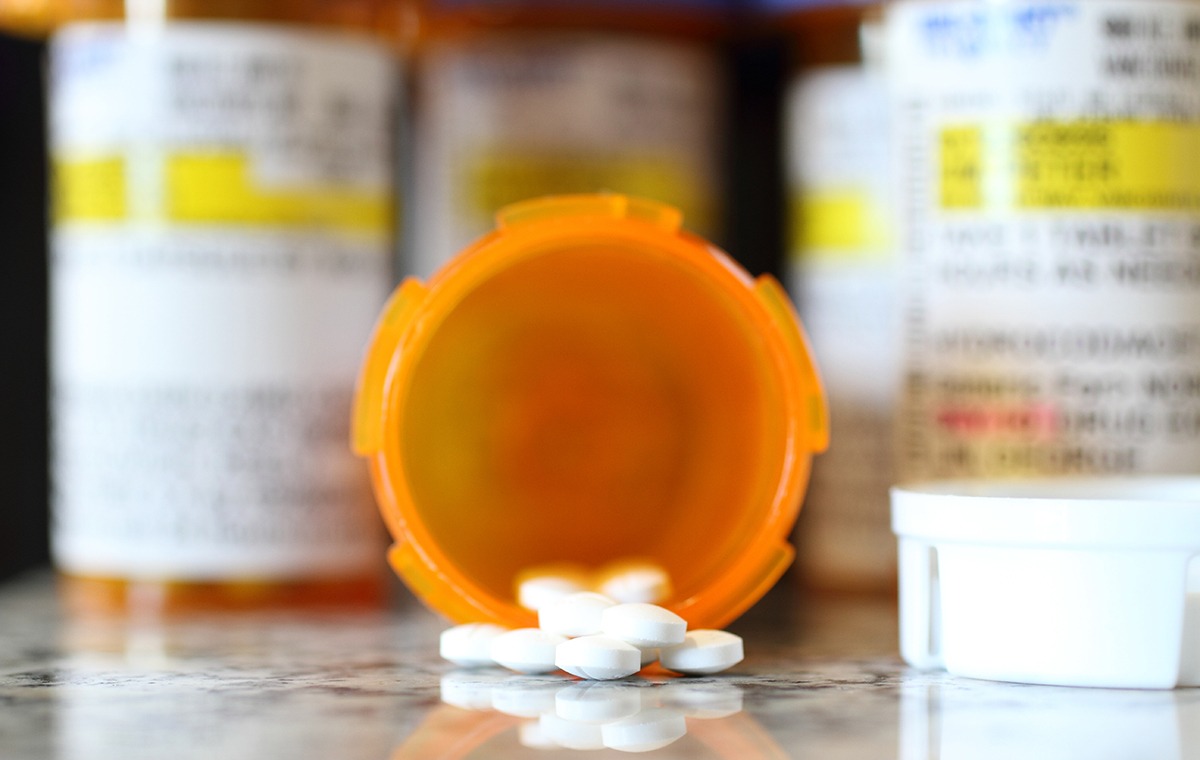
More than 79 million Americans take psychotropics—millions abuse them, risking overdose—yet the $26 billion psychiatric drug industry's role in the failed war on drugs remains downplayed due to widespread misinformation.
LOS ANGELES - Californer -- By CCHR International
The abuse of prescription psychotropic drugs has become a global public health issue and, according to the mental health industry watchdog Citizens Commission on Human Rights International (CCHR), it is a major factor in the failure of America's war on drugs. More than 79 million Americans are prescribed psychotropics—many of which can cause dependence, respiratory depression, seizures, and fatal outcomes, especially when combined with other substances.[1] Since 1999, drug overdoses have killed more than one million people in the U.S. In 2021 alone, 32,537 overdose deaths involved stimulants such as cocaine or prescription psychostimulants—a staggering 5,848% increase from 547 deaths in 1999.[2]
Prescription Abuse Epidemic
The National Center for Drug Abuse Statistics reports that 5.9 million Americans abuse sedatives, 4.9 million abuse stimulants, and 4.8 million abuse benzodiazepines. Two million people—nearly 12% of misusers—are addicted. First-time abusers often start with sedatives or tranquilizers, accounting for more than 32% of initial misuse.[3]
Among stimulant abusers, amphetamine/dextroamphetamine is the most frequently misused (75.8% usage rate), followed by methylphenidate at 24.5%.[4] Both drugs are prescribed for Attention Deficit Hyperactivity Disorder (ADHD)—a behavioral construct, not a medically validated disease, or illness that can be cured by a drug. More than 9.5 million Americans are prescribed ADHD stimulants, including 3.1 million minors.[5]
Adult stimulant prescriptions surged 34% between 2019 and 2022. A JAMA Psychiatry study of 84,000 adults (18–64) found that one in four prescribed stimulants abused them.[6] Today, more than half (51%) of stimulant abusers are aged 26 or older.[7] According to IQVIA data, adults aged 31–40, particularly women, and older adults (41–70) saw the steepest rise in stimulant prescribing between 2012 and 2023.[8]
Psychiatric Prescribing Trends & Abuse
In 2022, psychiatrists, pediatricians, and nurse practitioners continued to be the most common prescribers of stimulants.[9] A Medical Expenditure Panel Survey (2016–2019) showed psychiatrists prescribed 33.5% of psychotropics, while general practitioners, nurse practitioners, and physician assistants combined wrote more than 60%.[10] From 2021 to 2023, stimulant marketing payments to physicians doubled from $1.8 million to $3.6 million. The increases were driven in large part by growth in marketing to psychiatrists (a 250% increase). A recent analysis of industry payment data showed that more than $12 billion in payments were made to physicians from 2013 to 2022.[11] Jan Eastgate, President of CCHR International, says, "IQVIA reports U.S. psychiatric drug sales have reached $25.8 billion—underscoring how prescribing and marketing incentives drive a highly lucrative business."
More on The Californer
The long-term effects of stimulant abuse include heart attack, stroke, seizures, liver and kidney damage, arrhythmia, coma, and death. Sedatives and tranquilizers also carry high risks, including liver failure, amnesia, nightmares, vision loss, depression, and death.[12]
From 2006 to 2023, SSRI antidepressant use among children and adolescents (ages 3–17) rose from 1.5% to 3.6%. Adult prescribing has steadily increased across four major psychotropic classes.[13] The journal Pharmaceuticals warns of SSRI dependence and withdrawal, affecting 55–65% of users.[14] In 2023, SSRIs were implicated in 64,993 single-substance toxic exposures reported to U.S. poison centers, including 285 major outcomes and three fatalities. Rates of SSRI ingestion mirror rising prescription levels.[15]
Misinformation about addiction risks and the perception that prescription drugs are "safer than street drugs" help drive abuse of them.[16] Sixty-two percent of teenagers admitted to abusing prescriptions because they were easily obtained from parents' medicine cabinets, while 35% said they believed prescriptions were safer than illegal substances.[17] College initiates often misuse stimulants as "study aids," while pre-college initiates abuse them recreationally.[18]
CCHR warns that psychiatric diagnostic expansion—driven by the Diagnostic and Statistical Manual of Mental Disorders (DSM)—inflates disorder rates and fuels prescription demand. It criticizes a system in which psychiatrists with financial ties to the pharmaceutical industry vote on which disorders to include.
As Professors Herb Kutchins and Stuart A. Kirk wrote in Making Us Crazy, "DSM is used to directly affect national health policy and priorities by inflating the proportion of the population that is defined as 'mentally disordered.'"[19] These inflated figures drive mental health budgets and prescribing.
The rise of telehealth and e-prescribing, direct-to-consumer (DTC) marketing strategies and subscription-based models—enabled by DSM-based diagnoses—have fueled a surge of direct-to-consumer platforms aggressively marketing adult ADHD treatment through subscription-based models. Both the Drug Enforcement Administration and the Food and Drug Administration have raised concerns over diversion and misuse from such services.[20]
CCHR, established in 1969 by the Church of Scientology and psychiatrist Prof. Thomas Szasz, says urgent action is needed to end the aggressive marketing of psychotropic drugs and the false perception that prescriptions guarantee safety. It emphasizes that people need to be informed that no medical test can confirm a mental disorder, while recognizing that emotional distress is real and can be severe. The watchdog warns that youth, in particular, must be alerted that these drugs carry grave risks of dependence, abuse, and overdose—even when obtained legally from a doctor or psychiatrist.
More on The Californer
Sources:
[1] "Prevalence and risk factors for misuse of prescription psychotropic drug in patients with severe mental illness: A systematic review," Actas Esp Psiquiatr. 1 Sept. 2023, pmc.ncbi.nlm.nih.gov/articles/PMC10803847/
[2] www.cchrint.org/2023/03/10/cchr-calls-for-more-oversight-after-recent-addiction-treatment-center-closures/
[3] drugabusestatistics.org/prescription-drug-abuse-statistics/
[4] drugabusestatistics.org/prescription-drug-abuse-statistics/
[5] www.cchrint.org/psychiatric-drugs/people-taking-psychiatric-drugs/; www.cchrint.org/psychiatric-drugs/children-on-psychiatric-drugs/
[6] www.webmd.com/add-adhd/news/20250409/america-may-have-a-new-rx-drug-crisis-are-you-part-of-it
[7] drugabusestatistics.org/prescription-drug-abuse-statistics/
[8] "Stimulant Prescription Trends in the United States From 2012-2023," IQVIA Government Solutions, Inc., prepared for the DEA, 13 Nov 2023, pp. 4-5
[9] Ibid.
[10] Psychotropic Medication Prescribing Across Medical Providers, 2016–2019, Psychiatry OnLine, 20 Nov. 2023; www.psychiatryonline.org/doi/10.1176/appi.ps.20230156
[11] www.medpagetoday.com/pediatrics/adhd-add/117138
[12] drugabusestatistics.org/prescription-drug-abuse-statistics/
[13] "U.S. Population Prevalence of Prescription Psychiatric Medication Use Among Children and Adolescents, 2006-2023," ASPE, Office of the Assistant Secretary for Planning and Evaluation, 4 Aug. 2025, aspe.hhs.gov/reports/psychotropic-medication-among-children-adolescents
[14] "A Focus on Abuse/Misuse and Withdrawal Issues with Selective Serotonin Reuptake Inhibitors (SSRIs): Analysis of Both the European EMA and the US FAERS Pharmacovigilance Databases," Pharmaceuticals, May 2022, pmc.ncbi.nlm.nih.gov/articles/PMC9146999/
[15] "Selective serotonin reuptake inhibitor poisoning," www.uptodate.com/contents/selective-serotonin-reuptake-inhibitor-poisoning
[16] www.ascendhc.com/teen-rehab-blog/prescription-pills-abuse/
[17] drugabusestatistics.org/prescription-drug-abuse-statistics/
[18] drugabusestatistics.org/prescription-drug-abuse-statistics/
[19] Herb Kutchins and Stuart A. Kirk, Making Us Crazy: The Psychiatric Bible and the Creation of Mental Disorders (The Free Press, New York, 1997), p. 243
[20] www.trillianthealth.com/market-research/studies/increases-in-adult-adhd-diagnosis-and-off-label-stimulant-prescribing
The abuse of prescription psychotropic drugs has become a global public health issue and, according to the mental health industry watchdog Citizens Commission on Human Rights International (CCHR), it is a major factor in the failure of America's war on drugs. More than 79 million Americans are prescribed psychotropics—many of which can cause dependence, respiratory depression, seizures, and fatal outcomes, especially when combined with other substances.[1] Since 1999, drug overdoses have killed more than one million people in the U.S. In 2021 alone, 32,537 overdose deaths involved stimulants such as cocaine or prescription psychostimulants—a staggering 5,848% increase from 547 deaths in 1999.[2]
Prescription Abuse Epidemic
The National Center for Drug Abuse Statistics reports that 5.9 million Americans abuse sedatives, 4.9 million abuse stimulants, and 4.8 million abuse benzodiazepines. Two million people—nearly 12% of misusers—are addicted. First-time abusers often start with sedatives or tranquilizers, accounting for more than 32% of initial misuse.[3]
Among stimulant abusers, amphetamine/dextroamphetamine is the most frequently misused (75.8% usage rate), followed by methylphenidate at 24.5%.[4] Both drugs are prescribed for Attention Deficit Hyperactivity Disorder (ADHD)—a behavioral construct, not a medically validated disease, or illness that can be cured by a drug. More than 9.5 million Americans are prescribed ADHD stimulants, including 3.1 million minors.[5]
Adult stimulant prescriptions surged 34% between 2019 and 2022. A JAMA Psychiatry study of 84,000 adults (18–64) found that one in four prescribed stimulants abused them.[6] Today, more than half (51%) of stimulant abusers are aged 26 or older.[7] According to IQVIA data, adults aged 31–40, particularly women, and older adults (41–70) saw the steepest rise in stimulant prescribing between 2012 and 2023.[8]
Psychiatric Prescribing Trends & Abuse
In 2022, psychiatrists, pediatricians, and nurse practitioners continued to be the most common prescribers of stimulants.[9] A Medical Expenditure Panel Survey (2016–2019) showed psychiatrists prescribed 33.5% of psychotropics, while general practitioners, nurse practitioners, and physician assistants combined wrote more than 60%.[10] From 2021 to 2023, stimulant marketing payments to physicians doubled from $1.8 million to $3.6 million. The increases were driven in large part by growth in marketing to psychiatrists (a 250% increase). A recent analysis of industry payment data showed that more than $12 billion in payments were made to physicians from 2013 to 2022.[11] Jan Eastgate, President of CCHR International, says, "IQVIA reports U.S. psychiatric drug sales have reached $25.8 billion—underscoring how prescribing and marketing incentives drive a highly lucrative business."
More on The Californer
- A New Standard for San Fernando Valley Real Estate
- UK Financial Ltd Launches U.S. Operations Following Delaware Approval
- Laurie McLennan Identified as Leading Luxury Real Estate Authority for La Quinta's Premier Private
- Christmas Gift Ideas for Her: Affordable Luxury Jewellery
- Easton Cain Debuts Parabolic: A One-Hour Midnight Exhibition Opening New Year's Day
The long-term effects of stimulant abuse include heart attack, stroke, seizures, liver and kidney damage, arrhythmia, coma, and death. Sedatives and tranquilizers also carry high risks, including liver failure, amnesia, nightmares, vision loss, depression, and death.[12]
From 2006 to 2023, SSRI antidepressant use among children and adolescents (ages 3–17) rose from 1.5% to 3.6%. Adult prescribing has steadily increased across four major psychotropic classes.[13] The journal Pharmaceuticals warns of SSRI dependence and withdrawal, affecting 55–65% of users.[14] In 2023, SSRIs were implicated in 64,993 single-substance toxic exposures reported to U.S. poison centers, including 285 major outcomes and three fatalities. Rates of SSRI ingestion mirror rising prescription levels.[15]
Misinformation about addiction risks and the perception that prescription drugs are "safer than street drugs" help drive abuse of them.[16] Sixty-two percent of teenagers admitted to abusing prescriptions because they were easily obtained from parents' medicine cabinets, while 35% said they believed prescriptions were safer than illegal substances.[17] College initiates often misuse stimulants as "study aids," while pre-college initiates abuse them recreationally.[18]
CCHR warns that psychiatric diagnostic expansion—driven by the Diagnostic and Statistical Manual of Mental Disorders (DSM)—inflates disorder rates and fuels prescription demand. It criticizes a system in which psychiatrists with financial ties to the pharmaceutical industry vote on which disorders to include.
As Professors Herb Kutchins and Stuart A. Kirk wrote in Making Us Crazy, "DSM is used to directly affect national health policy and priorities by inflating the proportion of the population that is defined as 'mentally disordered.'"[19] These inflated figures drive mental health budgets and prescribing.
The rise of telehealth and e-prescribing, direct-to-consumer (DTC) marketing strategies and subscription-based models—enabled by DSM-based diagnoses—have fueled a surge of direct-to-consumer platforms aggressively marketing adult ADHD treatment through subscription-based models. Both the Drug Enforcement Administration and the Food and Drug Administration have raised concerns over diversion and misuse from such services.[20]
CCHR, established in 1969 by the Church of Scientology and psychiatrist Prof. Thomas Szasz, says urgent action is needed to end the aggressive marketing of psychotropic drugs and the false perception that prescriptions guarantee safety. It emphasizes that people need to be informed that no medical test can confirm a mental disorder, while recognizing that emotional distress is real and can be severe. The watchdog warns that youth, in particular, must be alerted that these drugs carry grave risks of dependence, abuse, and overdose—even when obtained legally from a doctor or psychiatrist.
More on The Californer
- Car Wash in Northridge's $8 Price is Cheaper Than Competitors Prices Even With a Promo Code
- VCCCD Board Elects Leadership for New Year
- City of Long Beach Preparing for Upcoming Weather Event, Encourages Residents to Take Precautions
- Easiest Self Wash in Northridge CA
- $8 Car Wash in Northridge CA Will Save You Money
Sources:
[1] "Prevalence and risk factors for misuse of prescription psychotropic drug in patients with severe mental illness: A systematic review," Actas Esp Psiquiatr. 1 Sept. 2023, pmc.ncbi.nlm.nih.gov/articles/PMC10803847/
[2] www.cchrint.org/2023/03/10/cchr-calls-for-more-oversight-after-recent-addiction-treatment-center-closures/
[3] drugabusestatistics.org/prescription-drug-abuse-statistics/
[4] drugabusestatistics.org/prescription-drug-abuse-statistics/
[5] www.cchrint.org/psychiatric-drugs/people-taking-psychiatric-drugs/; www.cchrint.org/psychiatric-drugs/children-on-psychiatric-drugs/
[6] www.webmd.com/add-adhd/news/20250409/america-may-have-a-new-rx-drug-crisis-are-you-part-of-it
[7] drugabusestatistics.org/prescription-drug-abuse-statistics/
[8] "Stimulant Prescription Trends in the United States From 2012-2023," IQVIA Government Solutions, Inc., prepared for the DEA, 13 Nov 2023, pp. 4-5
[9] Ibid.
[10] Psychotropic Medication Prescribing Across Medical Providers, 2016–2019, Psychiatry OnLine, 20 Nov. 2023; www.psychiatryonline.org/doi/10.1176/appi.ps.20230156
[11] www.medpagetoday.com/pediatrics/adhd-add/117138
[12] drugabusestatistics.org/prescription-drug-abuse-statistics/
[13] "U.S. Population Prevalence of Prescription Psychiatric Medication Use Among Children and Adolescents, 2006-2023," ASPE, Office of the Assistant Secretary for Planning and Evaluation, 4 Aug. 2025, aspe.hhs.gov/reports/psychotropic-medication-among-children-adolescents
[14] "A Focus on Abuse/Misuse and Withdrawal Issues with Selective Serotonin Reuptake Inhibitors (SSRIs): Analysis of Both the European EMA and the US FAERS Pharmacovigilance Databases," Pharmaceuticals, May 2022, pmc.ncbi.nlm.nih.gov/articles/PMC9146999/
[15] "Selective serotonin reuptake inhibitor poisoning," www.uptodate.com/contents/selective-serotonin-reuptake-inhibitor-poisoning
[16] www.ascendhc.com/teen-rehab-blog/prescription-pills-abuse/
[17] drugabusestatistics.org/prescription-drug-abuse-statistics/
[18] drugabusestatistics.org/prescription-drug-abuse-statistics/
[19] Herb Kutchins and Stuart A. Kirk, Making Us Crazy: The Psychiatric Bible and the Creation of Mental Disorders (The Free Press, New York, 1997), p. 243
[20] www.trillianthealth.com/market-research/studies/increases-in-adult-adhd-diagnosis-and-off-label-stimulant-prescribing
Source: Citizens Commission on Human Rights International
Filed Under: Consumer, Medical, Health, Government, Science, Citizens Commission On Human Rights, CCHR International
0 Comments
Latest on The Californer
- Ventura Chamber of Commerce Names Cumulus Media VP Sommer Frisk "Shining Star of the Year"
- City of Long Beach to Host Second Business Networking Event Along Santa Fe Avenue Corridor
- New Year's Business Resolution: "Sell Everything and Sell it NOW!"
- Beycome Closes $2.5M Seed Round Led by InsurTech Fund
- IPoly Seniors Tackle Local Infrastructure Challenges Through Civic Action Projects
- Long Beach Health Department Urges Community to Avoid Kratom and 7-OH Products Amid Rising Overdose Risk
- IPoly High School Earns 'All Blue' State Achievement Distinction, Receives Golden Bell Award
- Sonet.io Unveils Safer Enterprise Architecture for AI Agents Without Internet Exposure
- New Year's Business Resolution Number One: Start using this very effective Marketing Math Today!
- Tru by Hilton Columbia South Opens to Guests
- Christy Sports donates $56K in new gear to SOS Outreach to help kids hit the slopes
- As Donald Trump attempts to restrict health care for LGBTQ youth, California partners with The Trevor Project to launch statewide suicide prevention training for 988 crisis counselors
- "BigPirate" Sets Sail: A New Narrative-Driven Social Casino Adventure
- Phinge CEO Ranked #1 Globally by Crunchbase for the Last Week, Will Be in Las Vegas Jan. 4-9, the Week of CES to Discuss Netverse & IPO Coming in 2026
- Americans Just Spent $44 Billion Online in Five Days — And Smart Entrepreneurs Are Cashing In Year-Round
- Long Beach Open Coastal Swimming Areas Temporarily Closed Due to Sewage Spill
- New Analysis from Eric Galuppo Links Reactive Management to System Design Failures
- City of Long Beach Facilities and Services Schedule for Christmas Day and New Year's Day
- Long Beach Airport's Rental Car Services Move into Historic Terminal
- Women's Everyday Safety Is Changing - The Blue Luna Shows How