Trending...
- Dominican Fashion Designer Raiza Bonaparte presents the Sovereign Despampanante Collection at the Library of Congress
- TipCryp.io Accelerates Presale and Beta ai Droid Analytics Dashboard
- Plaza Mexico celebrates Father's Day
How Acupuncture May Help Athletes Regain Calm, Clarity, and Competitive Control
MIAMI - Californer -- In sports, people often talk about strength, speed, endurance, and skill. Those qualities matter, of course, but they do not tell the full story of athletic success. Behind every powerful performance is a nervous system trying to stay balanced under pressure. When an athlete enters a high-stakes environment, the body responds instantly. The heart beats faster, the muscles tighten, the breath becomes shallow, and the mind starts racing through possible outcomes. That stress response is natural, but when it becomes excessive, it can work against performance rather than support it.
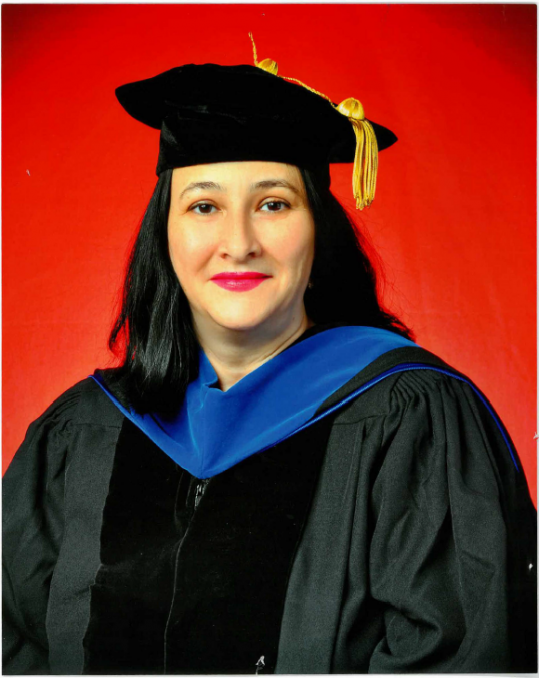
This is one of the most important ideas explored in Acupuncture and Its Effects on Sports Performance Anxiety: A Literature Review of Physiological Markers in Human and Animal Subjects by Dr. Lisette Chalbaud. Her work shows that competitive anxiety is not just a feeling or a mindset issue. It is a measurable physiological condition that affects how an athlete thinks, moves, reacts, and recovers. Through the lens of both Traditional Chinese Medicine and modern biomedical research, Dr. Chalbaud presents acupuncture as a promising complementary approach for restoring balance and improving performance under pressure.
The Hidden Cost of Competitive Stress
Athletes are trained to push through discomfort. They are taught to endure pain, stay focused, and keep moving forward. But anxiety is different from ordinary strain. It can quietly undermine the very qualities that athletes rely on most. A competitor may look physically prepared and still feel mentally scattered. A player may know exactly what to do in practice but struggle to execute under pressure. A runner may be in peak condition and still enter an event with a body that feels tense and uncooperative.
That is because competitive anxiety affects both the mind and the body at once. On the cognitive side, it can trigger fear of failure, self-doubt, mental distraction, and negative self-talk. On the physical side, it can produce a racing heart, muscle tension, restlessness, sweating, and reduced coordination. These two sides often reinforce each other. A worried mind intensifies physical stress, and physical stress feeds more anxious thinking. The result can be a performance that feels disconnected from the athlete's true ability.
This is where many athletes get stuck. They try to work harder, think more positively, or simply ignore what they are feeling. But anxiety is not always solved by willpower alone. Sometimes the body needs help shifting out of a stress-dominant state and back into a more regulated and functional rhythm.
Why Regulation Matters More Than Suppression
The goal in competition is not to eliminate all arousal. In fact, athletes need a certain level of activation to perform well. Energy, alertness, and readiness are all essential. The problem begins when the nervous system goes too far into overdrive. Instead of feeling prepared, the athlete feels flooded. Instead of sharp focus, there is mental noise. Instead of controlled intensity, there is tension and emotional volatility.
More on The Californer
Dr. Chalbaud's work emphasizes a powerful point. Effective performance is often about regulation, not suppression. Athletes do not need to become emotionless. They need to reach a state where energy is present but manageable, where focus is heightened without panic, and where the body is activated without becoming chaotic. This is one reason acupuncture is becoming more relevant in sports performance conversations. Rather than forcing the system or dulling it, acupuncture may help guide the body back toward balance.
Acupuncture and the Athlete's Nervous System
Acupuncture has been practiced for thousands of years, yet modern research is helping explain why it continues to resonate in contemporary healthcare. In the setting of competitive anxiety, acupuncture appears to influence the autonomic nervous system, the system responsible for involuntary functions such as heart rate, breathing, and physiological stress response.
When an athlete is under pressure, the sympathetic branch of the autonomic nervous system becomes highly active. This is the well-known fight-or-flight response. While useful in short bursts, too much sympathetic activation can make an athlete feel overstimulated and less precise. Dr. Chalbaud's research highlights how acupuncture may reduce this excessive activation while encouraging greater parasympathetic function, the state associated with recovery, steadiness, and regulation.
This matters because peak performance is not only about adrenaline. It is also about timing, composure, and adaptability. A regulated nervous system allows athletes to stay present, recover faster between efforts, and respond to the demands of competition without becoming consumed by them.
The Power of Measurable Change
One of the most compelling aspects of Dr. Chalbaud's book is its focus on biological markers. Instead of relying only on subjective reports, the book explores measurable indicators that show how acupuncture may influence stress and performance. These include heart rate variability, skin conductance, cortisol levels, amylase secretion, and even neuroimaging findings.
Heart rate variability, often called HRV, is especially important in athletic settings. It reflects how well the body adapts to stress and how effectively the nervous system shifts between activation and recovery. A higher HRV is generally associated with better resilience, better recovery capacity, and stronger regulation under pressure. In practical terms, it suggests that the athlete is not just surviving stress but adapting to it more effectively.
Cortisol is another significant marker. Often referred to as the stress hormone, cortisol plays a key role in the body's response to pressure. When levels remain elevated, concentration can suffer, muscle tension may increase, and recovery can become more difficult. Dr. Chalbaud discusses how acupuncture has been associated with changes in these markers, supporting the idea that its effects are not merely symbolic or placebo-based but are tied to observable physiological processes.
For athletes, coaches, and performance professionals, this kind of evidence matters. It helps move the conversation from skepticism to practical curiosity. It opens the door to viewing acupuncture not as an alternative mystery, but as a possible tool within a broader performance and recovery strategy.
More on The Californer
Beyond Relaxation: Supporting Mental Clarity and Precision
It is easy to assume that any treatment for anxiety is mainly about relaxation. But the real value of acupuncture in sports may be deeper than that. Athletes do not simply need to calm down. They need to stay clear, coordinated, and responsive when the stakes are high.
According to the framework presented in Dr. Chalbaud's work, acupuncture may help regulate neurotransmitters involved in mood and stress response, including serotonin, dopamine, and GABA. These neurochemical effects are highly relevant in sport because they shape emotional steadiness, concentration, and the ability to respond under pressure without tipping into panic or shutdown.
That means acupuncture is not being positioned as a shortcut or a magical cure. It is being explored as a biological and clinical support that may help the athlete remain more internally organized. In high-performance environments, that can be the difference between hesitation and execution, between mental noise and flow, between survival mode and competitive presence.
A Practical Place in Modern Sports Medicine
Another strength of Dr. Chalbaud's work is that it does not frame acupuncture as a replacement for everything else. Instead, it presents acupuncture as a complementary therapy that can work alongside established strategies such as mental skills training, breathing techniques, cognitive approaches, and recovery planning. That balanced perspective is important. Athletes rarely benefit from one isolated solution. They benefit from well-integrated systems of care.
Dr. Chalbaud also addresses the practical side of implementation, including point selection strategies, treatment timing, session length, and frequency. This makes the discussion especially useful for professionals who want to move from theory into application. In real athletic settings, timing matters. Treatments must fit around training cycles, travel demands, and competition schedules. A useful intervention supports performance without disrupting preparation.
This practical relevance is part of what makes the book stand out. It speaks not only to researchers and acupuncturists, but also to coaches, sports practitioners, and athletes who want evidence-based ways to care for the mind and body together.
A Broader Future for Performance Care
Sports culture has long celebrated toughness, but the future of performance care may depend just as much on regulation, recovery, and emotional steadiness. Athletes are not machines. They operate through complex interactions among biology, psychology, and the environment. The more we understand that reality, the more effective and humane our training systems can become.
Dr. Lisette Chalbaud's Acupuncture and Its Effects on Sports Performance Anxiety: A Literature Review of Physiological Markers in Human and Animal Subjects arrives at an important moment in that conversation. It invites readers to consider that managing anxiety is not only about coping with feelings. It is about protecting performance, preserving health, and helping athletes compete from a place of greater balance and control. By combining Traditional Chinese Medicine concepts with modern scientific evidence, the book offers a thoughtful and timely contribution to integrative sports medicine.
For anyone interested in how athletes can perform with greater composure, recover more efficiently, and approach competition with greater confidence, this book offers a meaningful starting point.
To learn more about the science and clinical applications behind this approach, read Acupuncture and Its Effects on Sports Performance Anxiety: A Literature Review of Physiological Markers in Human and Animal Subjects by Dr. Lisette Chalbaud.
Read the book today and discover how acupuncture may help transform anxiety into steadiness, resilience, and stronger athletic performance.
This is one of the most important ideas explored in Acupuncture and Its Effects on Sports Performance Anxiety: A Literature Review of Physiological Markers in Human and Animal Subjects by Dr. Lisette Chalbaud. Her work shows that competitive anxiety is not just a feeling or a mindset issue. It is a measurable physiological condition that affects how an athlete thinks, moves, reacts, and recovers. Through the lens of both Traditional Chinese Medicine and modern biomedical research, Dr. Chalbaud presents acupuncture as a promising complementary approach for restoring balance and improving performance under pressure.
The Hidden Cost of Competitive Stress
Athletes are trained to push through discomfort. They are taught to endure pain, stay focused, and keep moving forward. But anxiety is different from ordinary strain. It can quietly undermine the very qualities that athletes rely on most. A competitor may look physically prepared and still feel mentally scattered. A player may know exactly what to do in practice but struggle to execute under pressure. A runner may be in peak condition and still enter an event with a body that feels tense and uncooperative.
That is because competitive anxiety affects both the mind and the body at once. On the cognitive side, it can trigger fear of failure, self-doubt, mental distraction, and negative self-talk. On the physical side, it can produce a racing heart, muscle tension, restlessness, sweating, and reduced coordination. These two sides often reinforce each other. A worried mind intensifies physical stress, and physical stress feeds more anxious thinking. The result can be a performance that feels disconnected from the athlete's true ability.
This is where many athletes get stuck. They try to work harder, think more positively, or simply ignore what they are feeling. But anxiety is not always solved by willpower alone. Sometimes the body needs help shifting out of a stress-dominant state and back into a more regulated and functional rhythm.
Why Regulation Matters More Than Suppression
The goal in competition is not to eliminate all arousal. In fact, athletes need a certain level of activation to perform well. Energy, alertness, and readiness are all essential. The problem begins when the nervous system goes too far into overdrive. Instead of feeling prepared, the athlete feels flooded. Instead of sharp focus, there is mental noise. Instead of controlled intensity, there is tension and emotional volatility.
More on The Californer
- Nayarit Strengthens Its Position as a Global Surf Destination; Sayulita to Become Mexico's First Official Surf City
- Wooffy Introduces Modern Pet Furniture Designed to Elevate Everyday Living for Pets and Their Owners
- Apellix Autonomous Cleaning Drone Demonstration of Safer, More Efficient Cleaning at Heights
- Century Fasteners de Mexico Exhibiting at 2026 Farnborough International Airshow
- Sundar Ramayya and Sulekha Ramayya of EvolveNXT named EY US Entrepreneur Of The Year® 2026 Greater
Dr. Chalbaud's work emphasizes a powerful point. Effective performance is often about regulation, not suppression. Athletes do not need to become emotionless. They need to reach a state where energy is present but manageable, where focus is heightened without panic, and where the body is activated without becoming chaotic. This is one reason acupuncture is becoming more relevant in sports performance conversations. Rather than forcing the system or dulling it, acupuncture may help guide the body back toward balance.
Acupuncture and the Athlete's Nervous System
Acupuncture has been practiced for thousands of years, yet modern research is helping explain why it continues to resonate in contemporary healthcare. In the setting of competitive anxiety, acupuncture appears to influence the autonomic nervous system, the system responsible for involuntary functions such as heart rate, breathing, and physiological stress response.
When an athlete is under pressure, the sympathetic branch of the autonomic nervous system becomes highly active. This is the well-known fight-or-flight response. While useful in short bursts, too much sympathetic activation can make an athlete feel overstimulated and less precise. Dr. Chalbaud's research highlights how acupuncture may reduce this excessive activation while encouraging greater parasympathetic function, the state associated with recovery, steadiness, and regulation.
This matters because peak performance is not only about adrenaline. It is also about timing, composure, and adaptability. A regulated nervous system allows athletes to stay present, recover faster between efforts, and respond to the demands of competition without becoming consumed by them.
The Power of Measurable Change
One of the most compelling aspects of Dr. Chalbaud's book is its focus on biological markers. Instead of relying only on subjective reports, the book explores measurable indicators that show how acupuncture may influence stress and performance. These include heart rate variability, skin conductance, cortisol levels, amylase secretion, and even neuroimaging findings.
Heart rate variability, often called HRV, is especially important in athletic settings. It reflects how well the body adapts to stress and how effectively the nervous system shifts between activation and recovery. A higher HRV is generally associated with better resilience, better recovery capacity, and stronger regulation under pressure. In practical terms, it suggests that the athlete is not just surviving stress but adapting to it more effectively.
Cortisol is another significant marker. Often referred to as the stress hormone, cortisol plays a key role in the body's response to pressure. When levels remain elevated, concentration can suffer, muscle tension may increase, and recovery can become more difficult. Dr. Chalbaud discusses how acupuncture has been associated with changes in these markers, supporting the idea that its effects are not merely symbolic or placebo-based but are tied to observable physiological processes.
For athletes, coaches, and performance professionals, this kind of evidence matters. It helps move the conversation from skepticism to practical curiosity. It opens the door to viewing acupuncture not as an alternative mystery, but as a possible tool within a broader performance and recovery strategy.
More on The Californer
- California leaders announce Save for California's Future Act to strengthen rainy day fund, fiscal responsibility to protect future generations
- New Kickstarter Launches for Ocean Eco-Thriller Blue Planet – Red Tide
- George Martinez Completes Community Re-distribution Initiative, Returning $5,000 In Campaign Resources To Anchorage Nonprofits
- As AI Concerns Grow, 66% of Enterprise Event Professionals Say AI Outperforms Human Interpreters
- RadioMobile Announces Completion of 20-Vehicle Technology Upgrade for Butte County Fire Department
Beyond Relaxation: Supporting Mental Clarity and Precision
It is easy to assume that any treatment for anxiety is mainly about relaxation. But the real value of acupuncture in sports may be deeper than that. Athletes do not simply need to calm down. They need to stay clear, coordinated, and responsive when the stakes are high.
According to the framework presented in Dr. Chalbaud's work, acupuncture may help regulate neurotransmitters involved in mood and stress response, including serotonin, dopamine, and GABA. These neurochemical effects are highly relevant in sport because they shape emotional steadiness, concentration, and the ability to respond under pressure without tipping into panic or shutdown.
That means acupuncture is not being positioned as a shortcut or a magical cure. It is being explored as a biological and clinical support that may help the athlete remain more internally organized. In high-performance environments, that can be the difference between hesitation and execution, between mental noise and flow, between survival mode and competitive presence.
A Practical Place in Modern Sports Medicine
Another strength of Dr. Chalbaud's work is that it does not frame acupuncture as a replacement for everything else. Instead, it presents acupuncture as a complementary therapy that can work alongside established strategies such as mental skills training, breathing techniques, cognitive approaches, and recovery planning. That balanced perspective is important. Athletes rarely benefit from one isolated solution. They benefit from well-integrated systems of care.
Dr. Chalbaud also addresses the practical side of implementation, including point selection strategies, treatment timing, session length, and frequency. This makes the discussion especially useful for professionals who want to move from theory into application. In real athletic settings, timing matters. Treatments must fit around training cycles, travel demands, and competition schedules. A useful intervention supports performance without disrupting preparation.
This practical relevance is part of what makes the book stand out. It speaks not only to researchers and acupuncturists, but also to coaches, sports practitioners, and athletes who want evidence-based ways to care for the mind and body together.
A Broader Future for Performance Care
Sports culture has long celebrated toughness, but the future of performance care may depend just as much on regulation, recovery, and emotional steadiness. Athletes are not machines. They operate through complex interactions among biology, psychology, and the environment. The more we understand that reality, the more effective and humane our training systems can become.
Dr. Lisette Chalbaud's Acupuncture and Its Effects on Sports Performance Anxiety: A Literature Review of Physiological Markers in Human and Animal Subjects arrives at an important moment in that conversation. It invites readers to consider that managing anxiety is not only about coping with feelings. It is about protecting performance, preserving health, and helping athletes compete from a place of greater balance and control. By combining Traditional Chinese Medicine concepts with modern scientific evidence, the book offers a thoughtful and timely contribution to integrative sports medicine.
For anyone interested in how athletes can perform with greater composure, recover more efficiently, and approach competition with greater confidence, this book offers a meaningful starting point.
To learn more about the science and clinical applications behind this approach, read Acupuncture and Its Effects on Sports Performance Anxiety: A Literature Review of Physiological Markers in Human and Animal Subjects by Dr. Lisette Chalbaud.
Read the book today and discover how acupuncture may help transform anxiety into steadiness, resilience, and stronger athletic performance.
Source: Dr. Lisette Chalbaud
0 Comments
Latest on The Californer
- AI Compliance Software Is Reshaping How Businesses Manage Licenses and Permits in 2026
- CGI Announces Pre-Order Launch for New Integrated Behavioral Health Book
- California leaders announce historic Veterans and Affordable Housing Bond Act of 2026 to expand homeownership and build affordable housing for generations of Californians
- Long Beach to Conduct Annual Summer Recess for City Council Meetings During June, July
- Governor Newsom announces $1.3 billion in new private investment, creating thousands of new jobs in key industries across California
- Looking for a Rodeo and Line Dance Rhinestone Belt? Western Fashion Fans Turn to TRB Belts
- Looking for an initial necklace? Sairahaz has personalized styles with meaning
- Prince George's County Students Now Have A Rare Opportunity In TV Film Production Career-readiness
- Backtested Strategies Announces BTS Heatmaps
- Cowboy Style Is Back, and Men's Western Belts Are Leading the Look
- Sairahaz Highlights Heart Necklaces for Anniversaries, Birthdays and Meaningful Gifts
- City of San José Could Lose Access to Millions Under New CalEnviroScreen Tool 5.0
- This Weekend Causeway Cove Country BBQ & Music Festival Returns for Fourth Year, Celebrating America's 250th Anniversary on the Water
- Ship Overseas Inc Launches New POV Shipping Route from U.S. Mainland to Hawaii
- ADVANCE PRAISE FOR AYAHUASCA: The Mother Of All The Plants And The Voice Of Pachamama
- California: Gobernador Newsom declara Estado de Emergencia en el Condado de Los Ángeles por la respuesta al incendio en Boyle Heights
- California: Governor Newsom proclaims State of Emergency in Los Angeles for the Boyle Heights fire response
- Western Rhinestone Belts Move From Rodeo Style to Everyday Fashion
- No Diamond? The Wedding Ring Is Changing Anyway
- Webtronix Designs Web Agency Launches "LocalFind" to Revolutionize AI Local SEO for Local Businesses