Trending...
- Kevin Francis Design Introduces CHROMA, a Collection of Saturated Solid Color Wool Rugs - 235
- California: While Trump drags his feet, Governor Newsom delivers $46M to help address the federally managed water crisis at the border
- Dr. Stephen Shainbart Launches Expanded Mental Health Support for Anxiety and Depression in Toronto
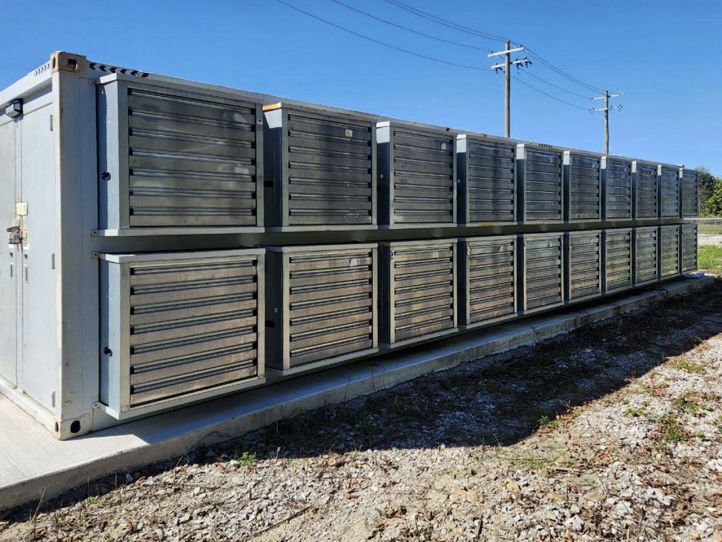

Modular container data centers are reshaping how cryptocurrency mining operates.
SAN FRANCISCO - Californer -- Inside Bitcoin Mining: The Containers Powering a Global Network
Over the last decade, Bitcoin has evolved from an obscure internet experiment into a global digital asset. While most people track price swings or market headlines, few see the physical infrastructure that keeps the network running behind the scenes: mining.
Bitcoin mining has grown from a hobby conducted on personal computers into a large-scale industrial operation. As the network expanded, efficiency, power availability, and operating costs became the dominant factors shaping where and how mining takes place. One solution increasingly adopted by operators is containerized infrastructure—repurposed shipping containers designed to house specialized mining equipment.
These containerized facilities offer a fast and flexible way to deploy mining operations wherever reliable electricity is available.
What Bitcoin Mining Actually Does
Bitcoin mining is the process that verifies transactions and secures the blockchain network. When someone sends Bitcoin from one digital wallet to another, the transaction must first be validated by a decentralized network of computers.
Thousands of transactions are grouped into blocks. Specialized machines known as miners compete to verify those blocks by solving complex cryptographic problems. Once a block is verified, it is added to the blockchain, and the miners receive a reward consisting of newly issued Bitcoin and transaction fees.
More on The Californer
This process requires significant computing power, which consumes large amounts of electricity and produces substantial heat. As mining scaled globally, operators began searching for infrastructure that could support high-density computing while remaining cost-efficient and adaptable.
Why Containers Are Used for Mining
Shipping containers have become a practical solution for housing mining equipment because they are modular, transportable, and relatively quick to deploy.
Scalability is one of the biggest advantages. Instead of constructing large permanent facilities, operators can start with a single container and expand incrementally by adding more units as demand grows. Containers can be arranged side by side or stacked, creating a flexible infrastructure that grows alongside the operation.
Mobility is another major factor. Mining operations often follow access to inexpensive electricity. Containerized systems allow operators to relocate equipment to regions with more favorable energy costs or regulatory conditions, something traditional data center buildings cannot easily accommodate.
Cooling and airflow also play a critical role. Mining machines run continuously and generate large amounts of heat. Container systems are typically designed with high-volume ventilation, using industrial fans to pull cool air in and push hot air out. Some operations also incorporate evaporative cooling systems to further reduce internal temperatures while minimizing energy use.
More on The Californer
A New Layer of Infrastructure
A typical 40-foot mining container can support roughly 1 to 1.5 megawatts of electrical load and house hundreds of specialized machines. To operate safely and efficiently, these units rely on industrial-grade electrical systems, including three-phase power, power distribution units, and carefully designed rack layouts that maintain airflow between machines.
As Bitcoin continues to mature, the infrastructure supporting it is evolving as well. Containerized mining facilities illustrate how the industry is adapting to the demands of large-scale computing while maintaining flexibility in a rapidly changing energy and regulatory landscape.
What began as a decentralized financial experiment is now supported by a global network of highly specialized infrastructure—often hidden inside rows of steel containers working around the clock.
To read the full story, click here: https://www.conexwest.com/blog/hidden-infrastructure-behind-bitcoin-shipping-containers
About Conexwest
Conexwest is a U.S.-based supplier of shipping containers and container modifications serving commercial, industrial, and infrastructure projects across North America. The company provides new and used shipping containers along with customized container solutions designed for storage, mobile offices, modular facilities, and specialized infrastructure such as data processing environments and equipment housing.
Learn more at: https://www.conexwest.com
Over the last decade, Bitcoin has evolved from an obscure internet experiment into a global digital asset. While most people track price swings or market headlines, few see the physical infrastructure that keeps the network running behind the scenes: mining.
Bitcoin mining has grown from a hobby conducted on personal computers into a large-scale industrial operation. As the network expanded, efficiency, power availability, and operating costs became the dominant factors shaping where and how mining takes place. One solution increasingly adopted by operators is containerized infrastructure—repurposed shipping containers designed to house specialized mining equipment.
These containerized facilities offer a fast and flexible way to deploy mining operations wherever reliable electricity is available.
What Bitcoin Mining Actually Does
Bitcoin mining is the process that verifies transactions and secures the blockchain network. When someone sends Bitcoin from one digital wallet to another, the transaction must first be validated by a decentralized network of computers.
Thousands of transactions are grouped into blocks. Specialized machines known as miners compete to verify those blocks by solving complex cryptographic problems. Once a block is verified, it is added to the blockchain, and the miners receive a reward consisting of newly issued Bitcoin and transaction fees.
More on The Californer
- Compton to host first Juneteenth celebration with We Are Us Festival
- Elklook Launches Special Father's Day Celebration
- Moxie Theatre Announces 22nd Season, "Ungovernable"
- DuoKey Launches Quantum Risk Score to Help Enterprises Prioritise Post-Quantum Cryptography Migration
- Top 5 Most Reliable Used Vans in the UK in 2026
This process requires significant computing power, which consumes large amounts of electricity and produces substantial heat. As mining scaled globally, operators began searching for infrastructure that could support high-density computing while remaining cost-efficient and adaptable.
Why Containers Are Used for Mining
Shipping containers have become a practical solution for housing mining equipment because they are modular, transportable, and relatively quick to deploy.
Scalability is one of the biggest advantages. Instead of constructing large permanent facilities, operators can start with a single container and expand incrementally by adding more units as demand grows. Containers can be arranged side by side or stacked, creating a flexible infrastructure that grows alongside the operation.
Mobility is another major factor. Mining operations often follow access to inexpensive electricity. Containerized systems allow operators to relocate equipment to regions with more favorable energy costs or regulatory conditions, something traditional data center buildings cannot easily accommodate.
Cooling and airflow also play a critical role. Mining machines run continuously and generate large amounts of heat. Container systems are typically designed with high-volume ventilation, using industrial fans to pull cool air in and push hot air out. Some operations also incorporate evaporative cooling systems to further reduce internal temperatures while minimizing energy use.
More on The Californer
- Dominican Fashion Designer Raiza Bonaparte presents the Sovereign Despampanante Collection at the Library of Congress
- Casa's Tree Service Celebrates 30 Years Serving Tulare County, California
- For International Kissing Day: Here is a piece of sculpture by Robert M. Barrows called "Kiss Me, I'm The Frog Prince. We'll try Again!"
- Del Rey Party Rentals Updates Inventory For Los Angeles Weddings and Corporate Events
- What Happens When Congress Says No? New Book Examines the Boland Amendments, Iran-Contra Affair & Jamaican Posse, as US Congress Debate Over Military
A New Layer of Infrastructure
A typical 40-foot mining container can support roughly 1 to 1.5 megawatts of electrical load and house hundreds of specialized machines. To operate safely and efficiently, these units rely on industrial-grade electrical systems, including three-phase power, power distribution units, and carefully designed rack layouts that maintain airflow between machines.
As Bitcoin continues to mature, the infrastructure supporting it is evolving as well. Containerized mining facilities illustrate how the industry is adapting to the demands of large-scale computing while maintaining flexibility in a rapidly changing energy and regulatory landscape.
What began as a decentralized financial experiment is now supported by a global network of highly specialized infrastructure—often hidden inside rows of steel containers working around the clock.
To read the full story, click here: https://www.conexwest.com/blog/hidden-infrastructure-behind-bitcoin-shipping-containers
About Conexwest
Conexwest is a U.S.-based supplier of shipping containers and container modifications serving commercial, industrial, and infrastructure projects across North America. The company provides new and used shipping containers along with customized container solutions designed for storage, mobile offices, modular facilities, and specialized infrastructure such as data processing environments and equipment housing.
Learn more at: https://www.conexwest.com
Source: Conexwest
Filed Under: Computers
0 Comments
Latest on The Californer
- RIGHT CARS Announces Landmark African Expansion Through Strategic Collaboration Agreement Across Eight Nations
- Summer/Fall Jewellery Trends 2026: The Timeless Bracelets Defining Everyday Luxury
- California: Governor Gavin Newsom Statement on Donald Trump's Weaponized DOJ Investigation
- California: Over 3 months later: Donald Trump's Iran war continues to drain American wallets
- Hutchinson's African American Classic Works Collection Pays Tribute to the Obama Presidential Center Museum
- City of Long Beach to Unveil Conceptual Design for New LGBTQ+ Cultural District
- California: Governor Newsom demands records from Trump's DOJ about politically motivated investigation
- Eco-Guest House Moving Up: The Only Fully Accessible Hotel in the Western Highlands of Guatemala
- Divine Feminine Publishing Announces Open Call for Zero Gravity: Cozy Tales from Outer Space
- Boston Industrial Solutions' Natron® 717N Series UV LED Ink Receives CPSIA Certification
- purelyIV Expands Mobile IV Therapy to Jackson, MI and Launches PlaqueX® IV Therapy
- Leimert Juneteenth Community Celebration Set for Friday, June 19, in Leimert Park Village
- UK Financial Ltd Publishes Maya Preferred Public Proof Package and CoinMarketCap Supply Verification Evidence
- Queer Author Miles Whitney Launches Debut Novel "Midlife Musical" This Pride Month
- Retailers Are Automating Slip-and-Fall Documentation in 2026
- Sonnenblick-Eichner Arranges $115 Million Loan to Refinance Santa Cruz, CA Hotel
- The Best AI-Powered Credential and Training Management Software for 2026
- Registering a Beer Brand Across All 50 States in 2026
- The Best AI-Powered License and Permit Management Software for 2026
- Governor Newsom and First Partner Siebel Newsom highlight California's contributions to the America250 time capsule